What 'ice' actually is
Most of what Eastern riders call ice isn't a frozen sheet. It's hardpack, or frozen granular, or what's left after a rain event and a hard freeze turns soft snow into something closer to concrete. The real glare-ice patches are usually smaller than they look, scraped down by a few hundred turns in the same spot on a busy trail.
That distinction helps, because hardpack can be ridden well. Glare ice mostly can't, and the right move is often to read the trail and ride around it rather than through it.
Sharp edges and a little patience in the shop
No technique fixes dull edges. If your board hasn't been tuned since last March, start there. A lot of Eastern riders run an 88 or 89 degree side edge rather than a standard 90, which gives the edge a slightly keener bite. Keep the base bevel modest, around a degree, so the board doesn't feel twitchy underfoot.
You don't need a full shop tune every trip either. A diamond stone and a few minutes in the parking lot before you head up will take the burrs off after a day of hitting buried rocks and lift ramps.
If you tune your own board, go easy with the file near the tip and tail contact points. Some riders lightly dull the first inch or two so the board doesn't hook unexpectedly. Most of the grip you need lives under your feet, between the bindings, so that's where the edge should be sharpest.
Stay over the board, not away from it
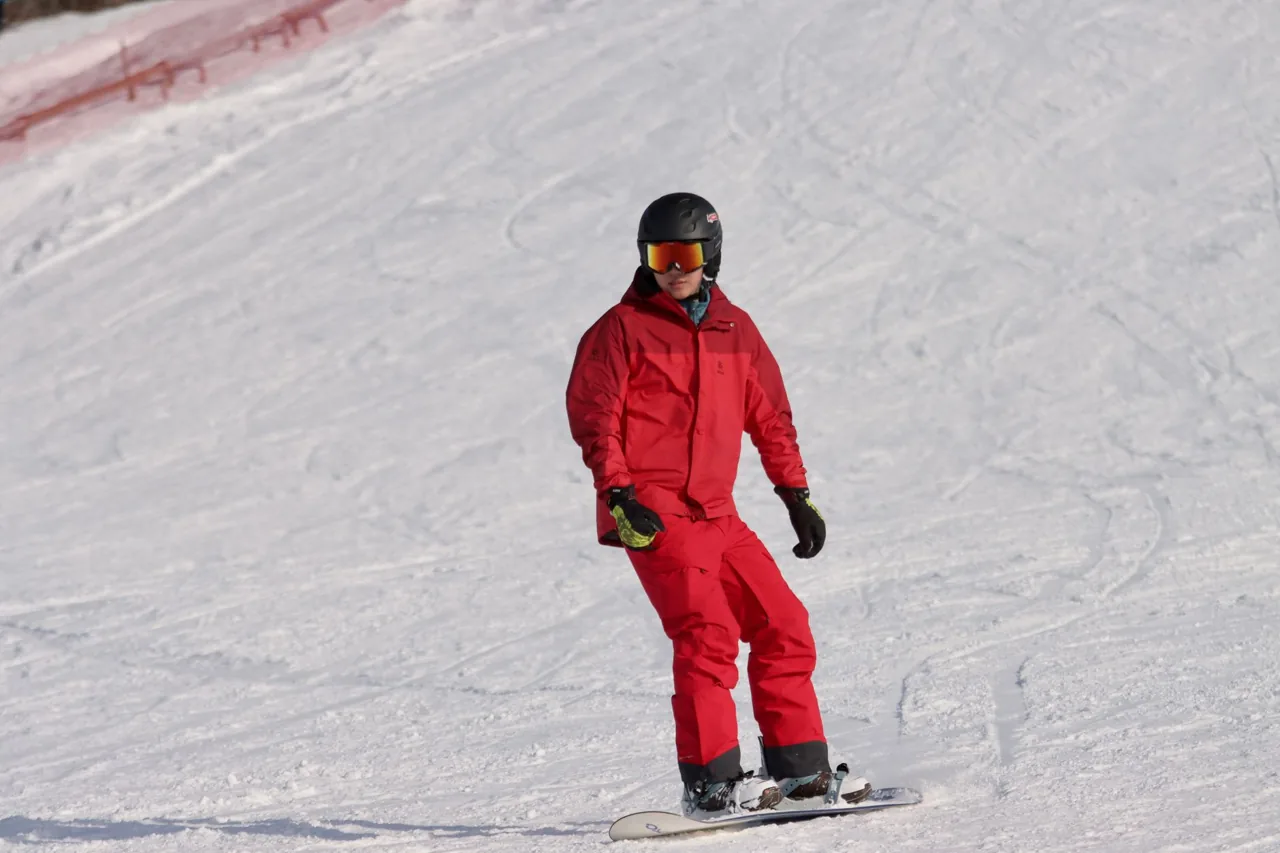
The instinct on hard snow is to lean back, and leaning back is exactly what takes pressure off the edge that's supposed to be gripping. Keep your weight centered or a touch forward, knees bent, and let your hips move toward the inside of the turn while your shoulders stay level with the slope. That angulation pushes the edge into the snow instead of laying the board flat.
Shorter turns help too. A long, drifting traverse gives the board plenty of time to start skidding, and a skid on hardpack becomes a slide surprisingly quickly. Quick, committed turns keep you in control, and they make it easier to finish each one on a solid edge.
Ice doesn't punish a bad turn more than snow does. It just punishes it faster.
Use the trail, not just the fall line
Look at where skiers and riders haven't been. The edges of a trail, and the lines under the trees on the skier's side, usually hold softer snow long after the middle has been scraped bare. Loose snow pushed into piles by traffic gives you something to set an edge against, so use it.
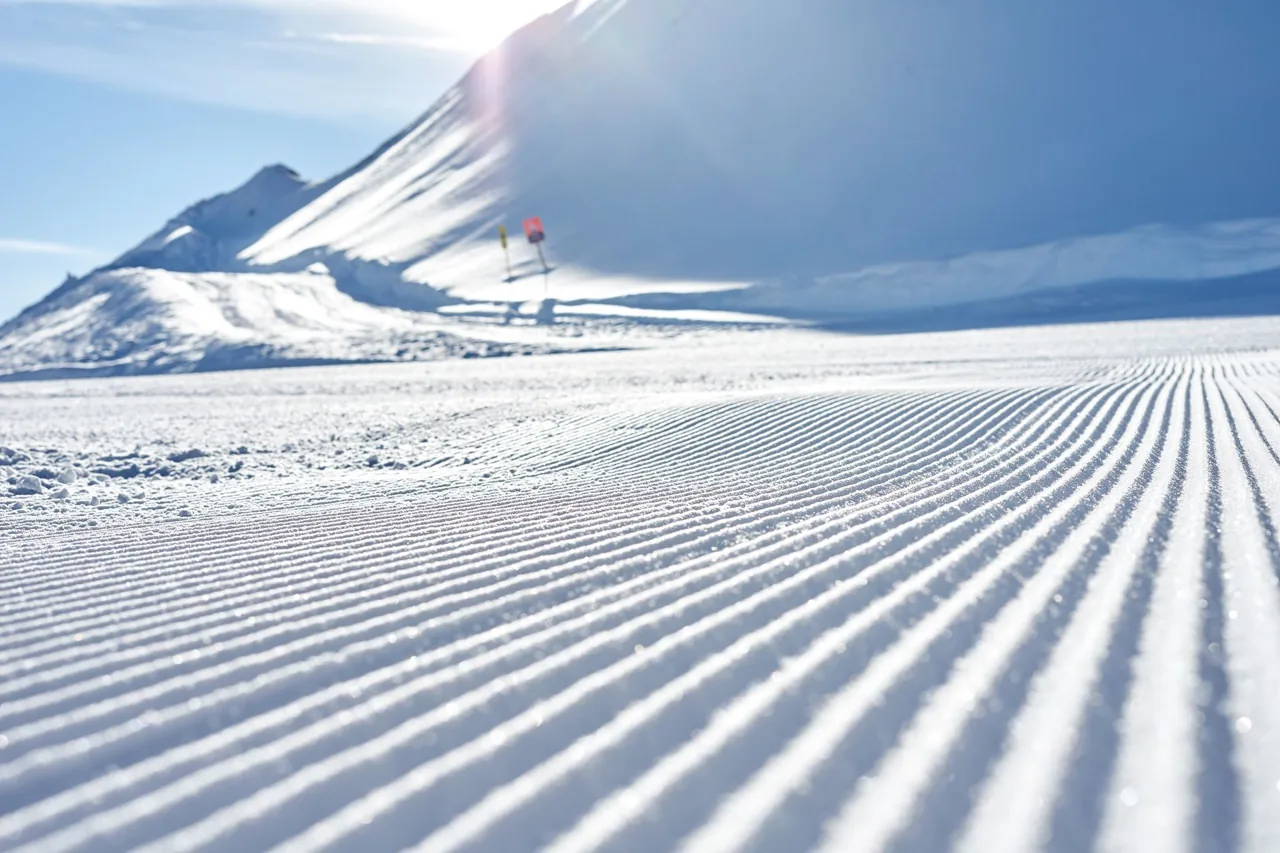
Timing matters as well. On a sunny day the south-facing trails soften first, sometimes by late morning. Plenty of locals spend the first hour on the groomers while they're still corduroy, then follow the sun around the mountain until lunch. Riding ice well is partly skill and partly knowing where it isn't.
Above all, don't let a scraped morning put you off. Riders who learn on hard snow tend to be cleaner and more precise than riders who learn in soft snow, because every sloppy movement shows up straight away. Plenty of them head west for a trip and find out they're much better than they thought.