Why the skills carry over
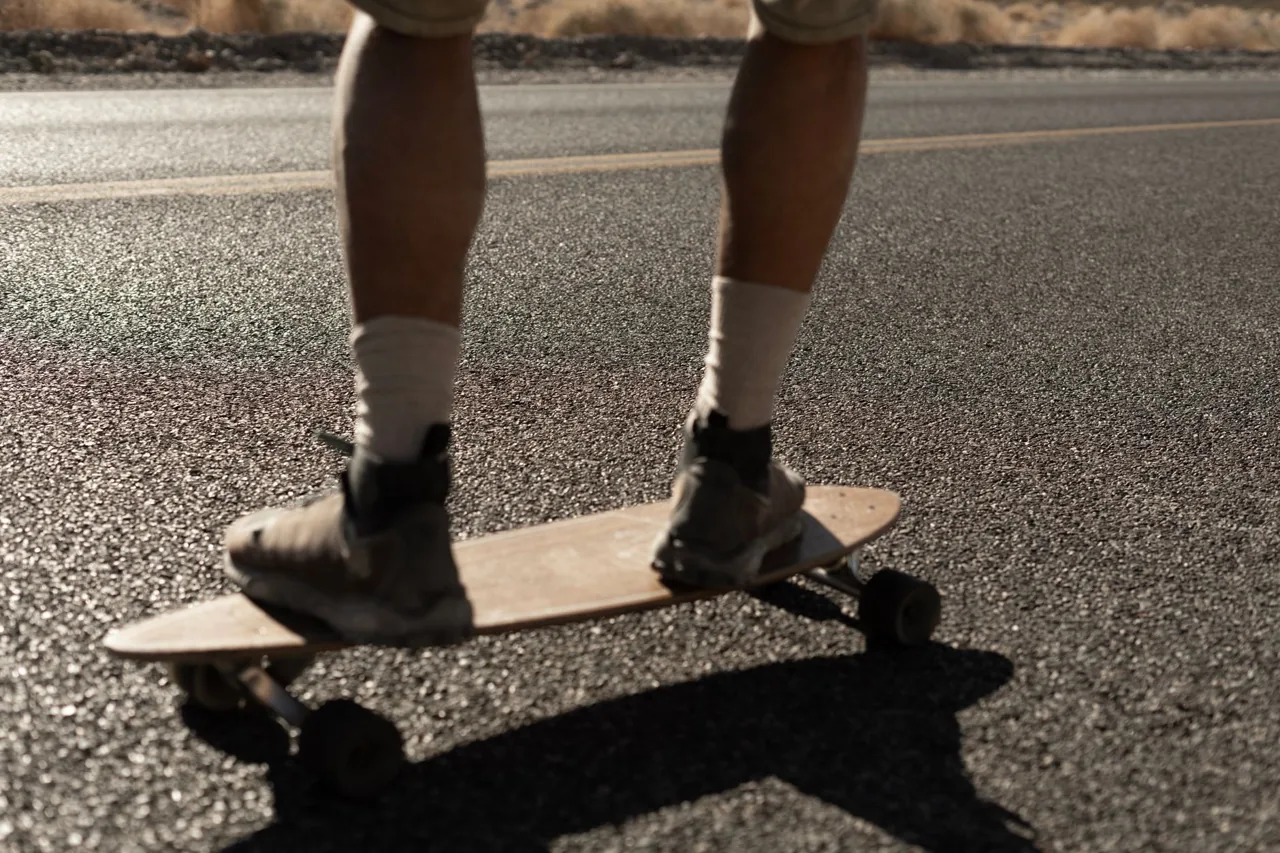
Snowboarding and skating share the same sideways stance, the same heel and toe edges and the same need to move your body before the board follows. On snow you tip the board onto an edge and it bends into a turn. On a longboard you lean, the trucks steer and the wheels hold the line. The feeling of committing to a carve, and trusting the board to come around, is remarkably similar.
That's why so many snowboard coaches tell students to skate over the summer. It keeps your balance tuned, your legs used to riding in a flexed stance, and your eyes used to looking where you want to go instead of down at your feet.
There's a useful difference too. Pavement gives instant feedback. If your weight is in the wrong place, the board tells you straight away, usually by drifting wide or refusing to turn. That makes skating a surprisingly honest coach for the habits that are easy to hide on soft snow.
Longboard, surfskate or a plain skateboard?
A surfskate has a front truck that pivots much more freely than a normal one, so you can generate speed by pumping your hips and shoulders without pushing. It's brilliant for teaching rotation and timing, and it's the closest thing on land to linking quick turns on a groomer.
A longboard is better for longer, flowing carves at a steadier speed, which is closer to laying out big turns on an open trail. But if you've never skated at all, an ordinary complete skateboard is the more useful place to start. It's lighter, turns tighter and makes you balance on a narrower platform, which pays off the first time you ride a skinny cat track. If you're shopping, this guide to picking a good first skateboard walks through the stable, forgiving completes that make those first sessions enjoyable rather than nerve-racking.
Setup details that matter
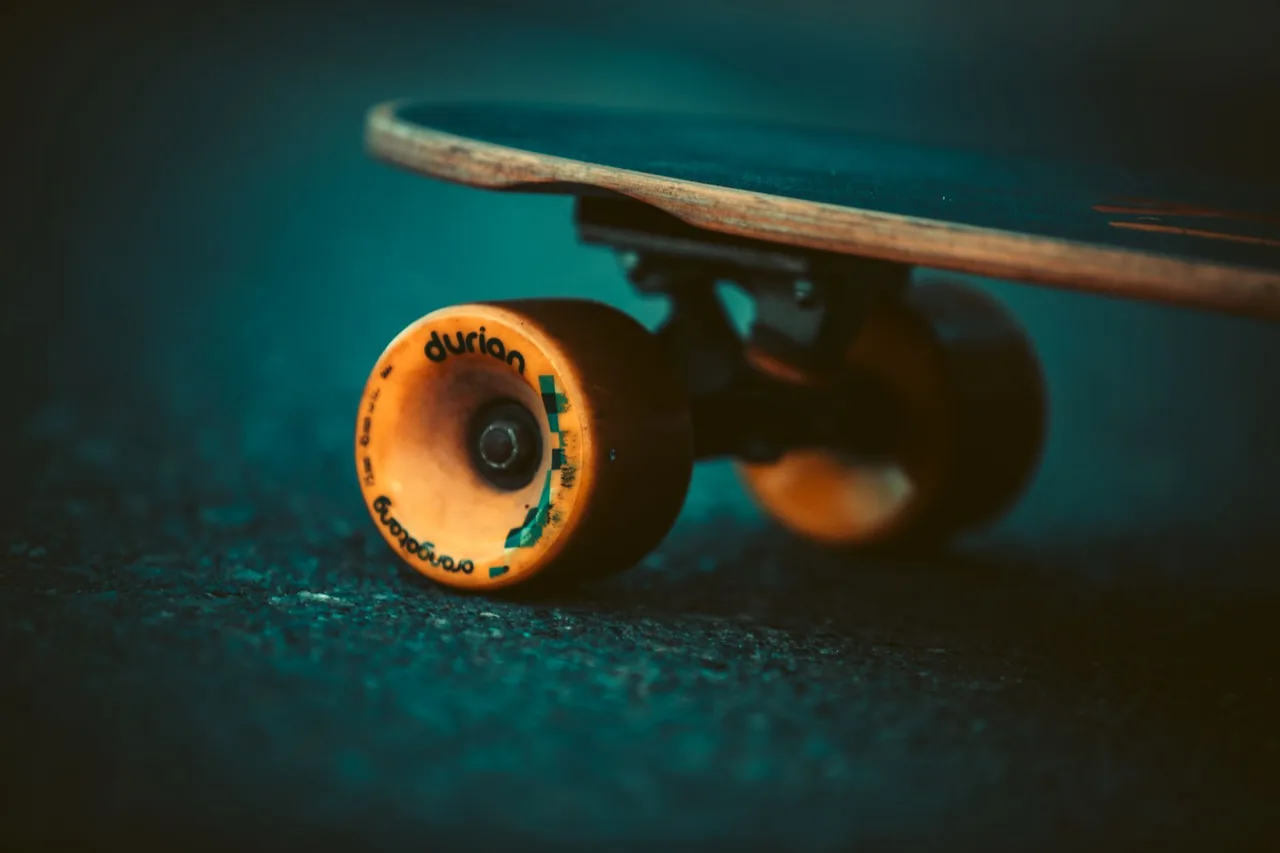
Wheels make a big difference. Larger, softer wheels, somewhere around 65 to 70 millimeters and a softer durometer in the high 70s A, grip through a turn and smooth out rough pavement. Hard little street wheels skid and chatter, which is the opposite of what you want for carving.
Bushings control how easily the board turns. Softer bushings make it lean and turn with less effort, which feels lively but can wobble at speed. Firmer bushings feel calmer. Most boards come with a middle option, and that's fine for the first month.
Pumping a surfskate down a quiet street teaches the same hip rotation your coach kept yelling about.
A simple summer routine
Find a quiet, gently sloped road, an empty parking lot or a smooth bike path. Practice linking heelside and toeside turns in a slow S-shape, keeping your knees bent and your shoulders turning first. Then work on making the turns tighter and smoother rather than faster.
Wear a helmet and wrist guards, because pavement is less forgiving than snow. Twenty minutes a few evenings a week is enough to keep the movements familiar. Come the first real storm, you'll spend your first run riding instead of remembering how to.
If you can, ride with a friend who also snowboards. Talk through what you're feeling on heelside versus toeside turns. Most riders find their weak side on a longboard is the same weak side they have on snow, which makes the summer a good chance to work on it without anyone watching.