What mud season actually is
In the Northeast it usually runs from about mid-April into late May, as the snow melts and the ground turns soft. The Rockies and Sierra have their own version, along with a quieter shoulder season in late fall. Trails get muddy, dirt roads get rutted, and the skiers have gone home while the summer crowds haven't arrived.
For a lot of local businesses it's the time to close for repairs or a break. For visitors it means fewer options but often far better prices, and a very different feel from a February weekend.
Why it's worth going
Lodging rates can fall dramatically compared with peak winter, and you rarely need to book months ahead. The restaurants that do stay open are full of locals, and you'll often end up talking to the people who run the place. Lift operators, patrollers and instructors are around too, taking a breath before summer jobs start.
It's also a good time to scout a town if you're thinking about a season there. You'll see what it's like without the holiday shine: what's open year round, where people actually eat and how long the drive to the nearest grocery store really is.
Off-season is also when you'll see the parts of a mountain town that never make it into the brochures: the hardware store, the diner that opens at six for the plow drivers, the bulletin board covered in notices for firewood, bands and lost dogs. It's a much better picture of whether you'd want to spend a winter there.
Respect the trails
The one thing to avoid is hiking high-elevation trails while they're soft. In Vermont, for example, trail organizations ask hikers to stay off muddy high trails in spring, because boots churn the thawing soil and cause erosion that takes years to repair. Stick to lower routes, dirt roads and paved paths, and check local trail guidance before you go.
Biking can be good on roads and rail trails as they dry out. Plenty of riders bring a longboard or a road bike and treat the trip as the start of their off-season.
Rivers run high and fast in spring melt as well, so be careful near water, especially with children or dogs. A quiet stream in August can be a torrent in May.
You find out what a town is like when it isn't trying to impress anyone.
What to pack and plan
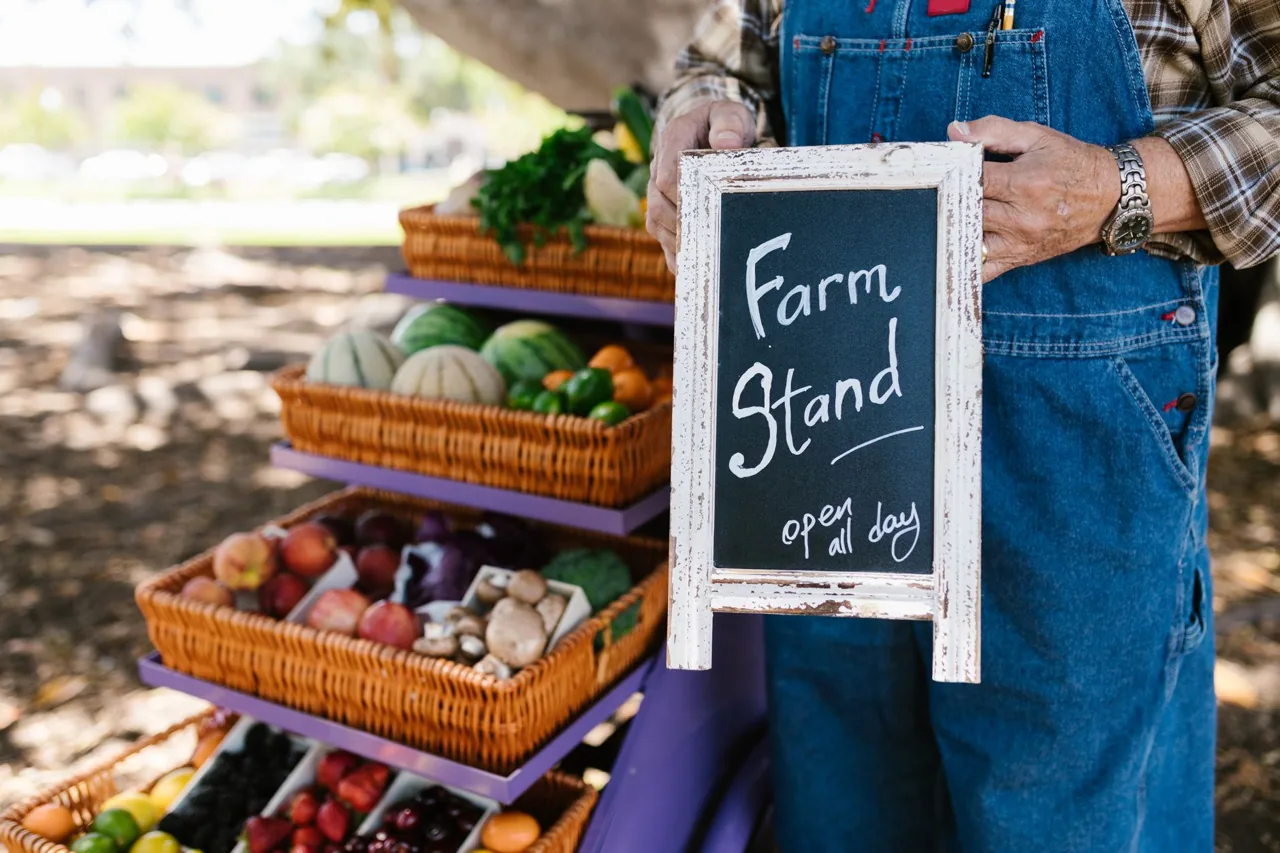
Waterproof boots, layers and a rain shell are essential. Check opening hours for anywhere you want to eat, because some places close completely for a few weeks. Farm stands and the first markets of the year often open around now, and the views without crowds can be spectacular, even with the hills turning brown and green.
And go in with the right expectations. It's not a holiday full of activities. It's slow, a bit muddy and occasionally rainy, with long evenings and quiet roads. For anyone who spends the winter in crowded lift lines and packed base lodges, that can be exactly the point.